
Tracing every harvest from farm to market
Digital traceability and food-safety decision support for the warehouses where Malawi’s smallholder produce comes together.
Safer food, fairer markets
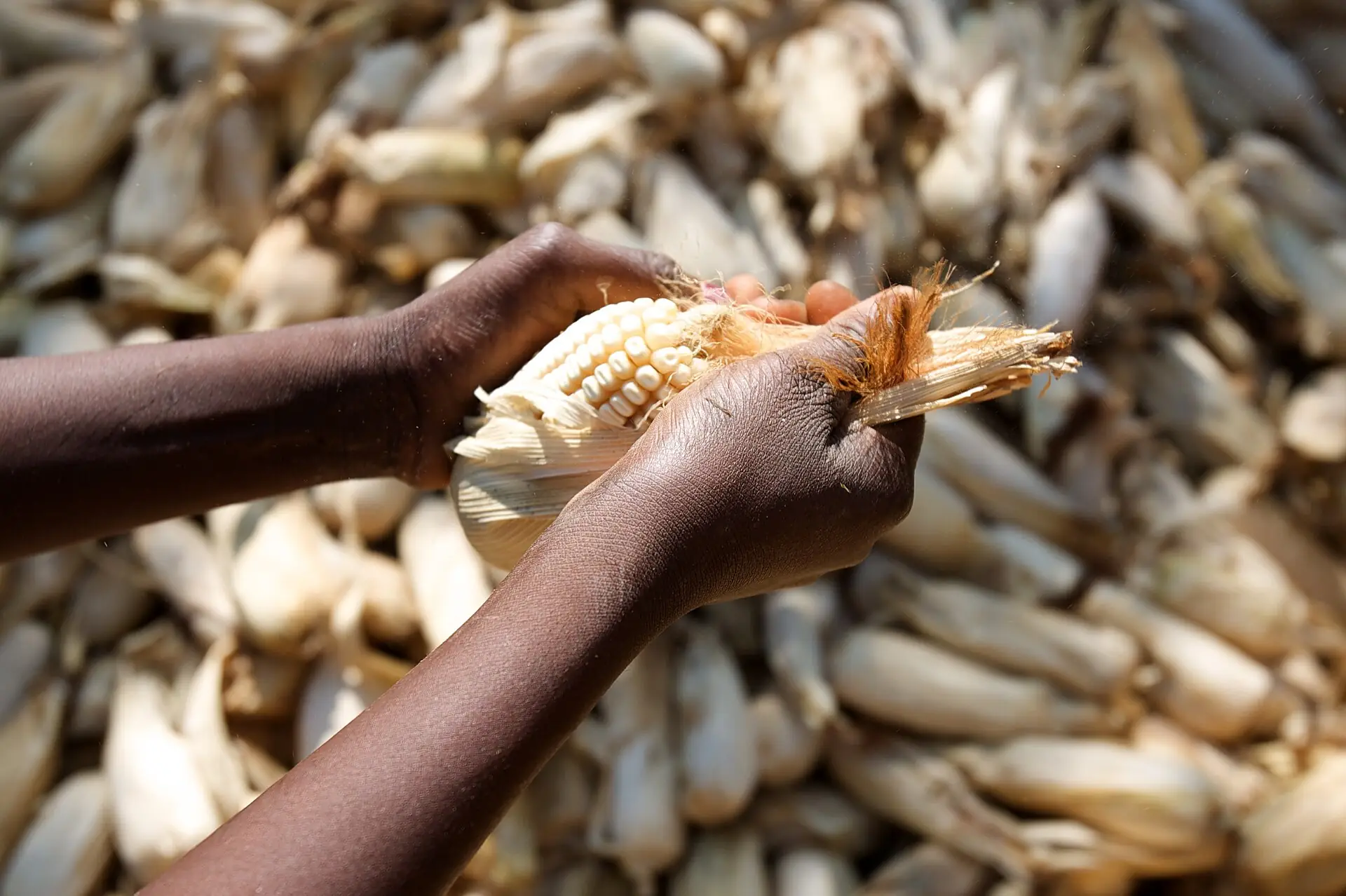
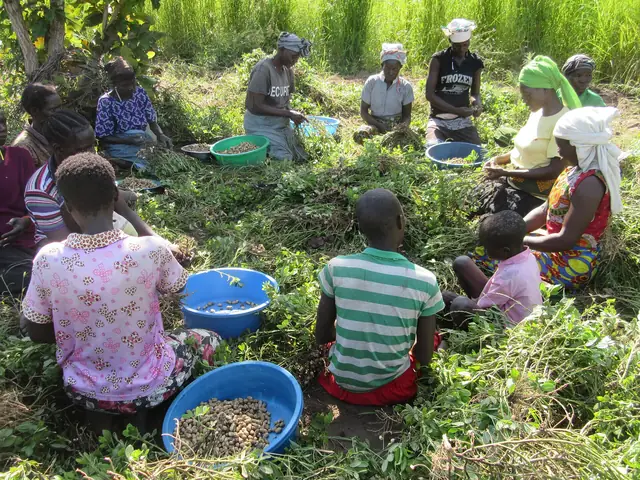
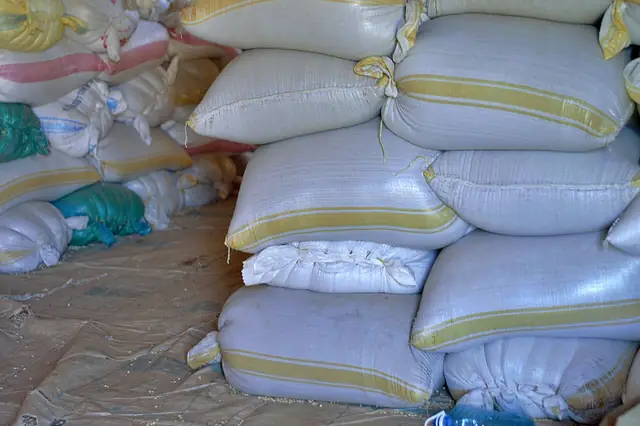
Smallholder farmers often produce small quantities. Warehouses, trading depots and storage points combine crops from many farmers into the volumes buyers want. These aggregation points are critical nodes in Malawi’s food system, yet they usually have the weakest record-keeping and the least access to digital tools.
AgriTrace Malawi is building and piloting a low-cost, offline-first tool that helps small produce warehouses record where crops come from, how they are stored and where they go, and flags food-safety risks before they turn into losses.
Discover the project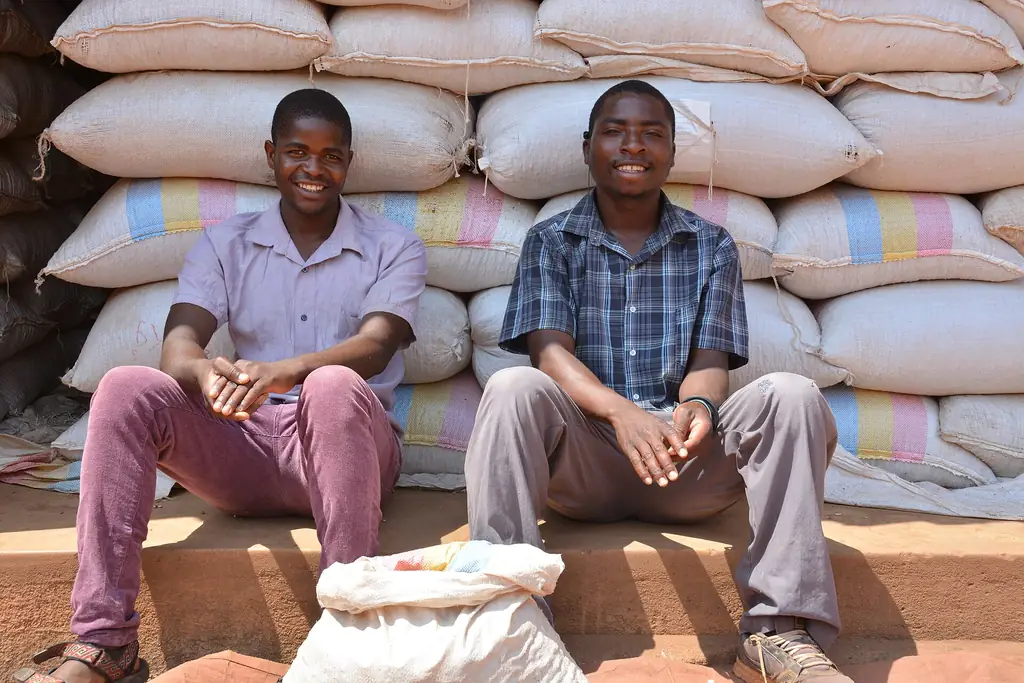
Pilot targets
What the twelve-month pilot at the Renai Farms warehouse in Bvumbwe, Thyolo District, sets out to show.
Targets from the project plan, not results.
produce batches recorded from intake to storage
Project planfarmers and suppliers registered and linked to their produce
Project planof batches with complete records from intake to dispatch
Project planor less, on average, to record a batch after training
Project planbuyer dispatches linked to traceable batch records
Project planof qualifying risk conditions flagged by the system
Project planExplore our work from field to dispatch
Get to know the project
A twelve-month research and innovation project led by LUANAR, with Renaissance Labs and Renai Farms as industry and pilot partner.

- Funded throughIMAGRI Research and Innovation Platform
- Supported byEmbassy of Ireland
- Call for proposalsMwAPATA Institute
- Lead institutionLUANAR, ACE II Agricultural Policy Analysis
- Industry and pilot partnerRenaissance Labs / Renai Farms