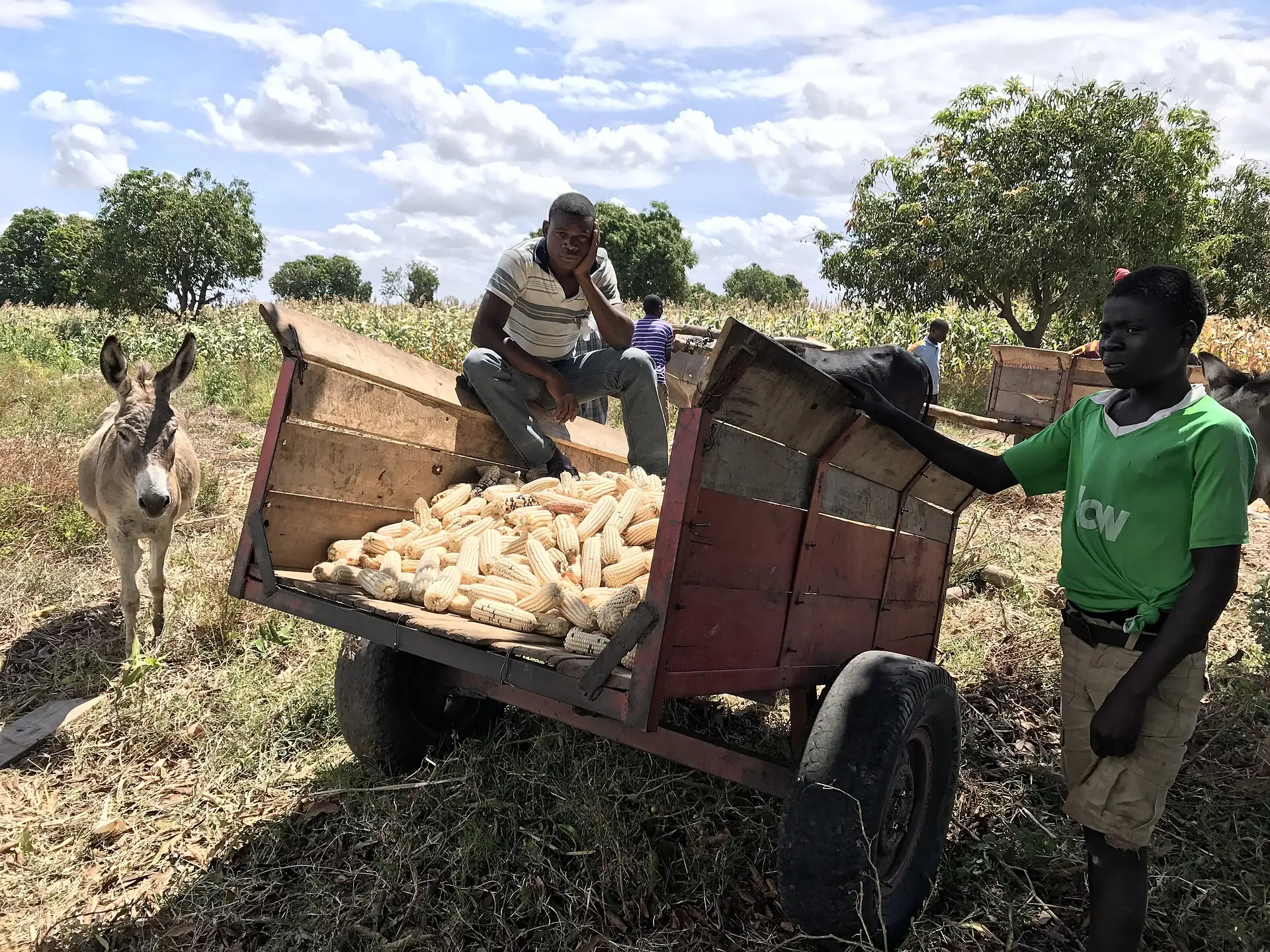
AgriTrace Malawi is a twelve-month research and innovation project developing and piloting a low-cost, offline-first digital traceability and food-safety decision-support tool for smallholder produce aggregation in Malawi.
The challenge
Smallholder farmers often produce small quantities. Warehouses, trading depots and storage points bridge the gap by combining crops from many farmers into volumes buyers want. These aggregation points are critical nodes in Malawi’s food system, yet they usually have the weakest record-keeping and the least access to digital tools.
Commercial traceability systems assume reliable internet, IT staff and subscription budgets that a seasonal SME warehouse does not have. As a result, four problems keep recurring.
Mixed without records
Produce from many farmers is combined without reliable source records, so a quality problem cannot be traced back to where it started.
Risks build up in storage
Moisture, mould, pests and spoilage accumulate without systematic monitoring or early warning, raising the risk of aflatoxin and buyer rejection.
Dispatched without documentation
Buyers receive produce without traceability records, which weakens their confidence and the aggregator’s position in the market.
Little data to learn from
Few structured records exist to support food-safety management, risk prediction or policy learning for small aggregation businesses.
Our response
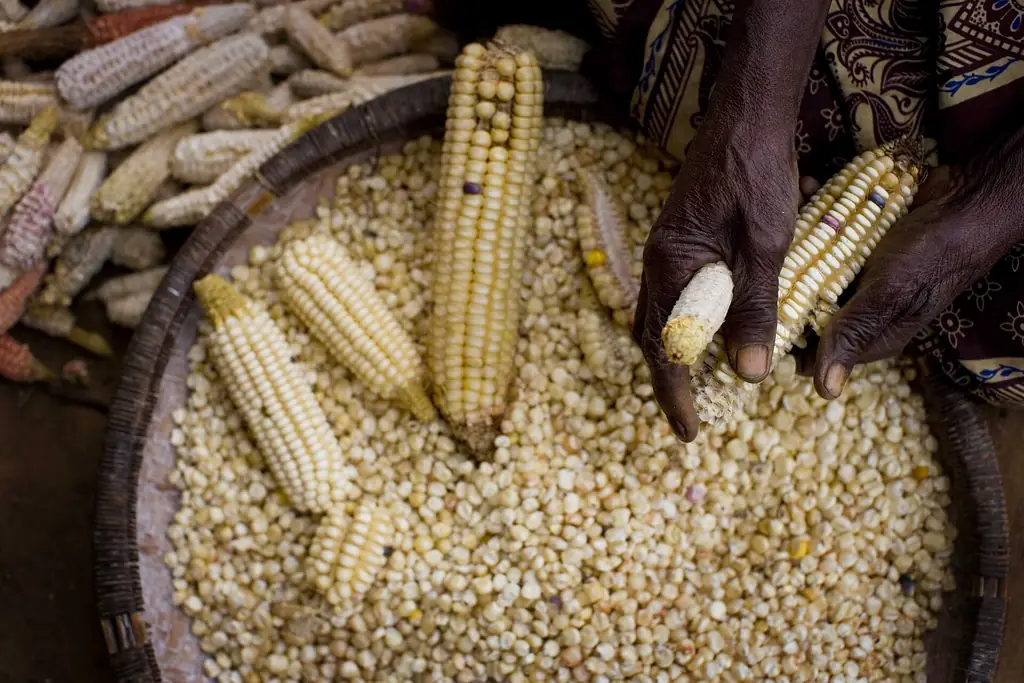
The project is building a simple tool for the warehouse floor. It replaces paper intake, storage and dispatch notebooks with short smartphone and tablet forms that work offline and sync when there is signal. Every intake gets a batch code, so each bag can be followed from the farmer who supplied it to the buyer who received it.
- Digital records at each step: source, intake, quality checks, storage and dispatch.
- Rule-based flags for high moisture, long storage, missing source information, visible spoilage and poor storage conditions.
- A machine-learning proof of concept that tests how structured records can support food-safety decisions.
- Open-source software and documentation, so other warehouses, cooperatives and SMEs can adopt it.
Where we work
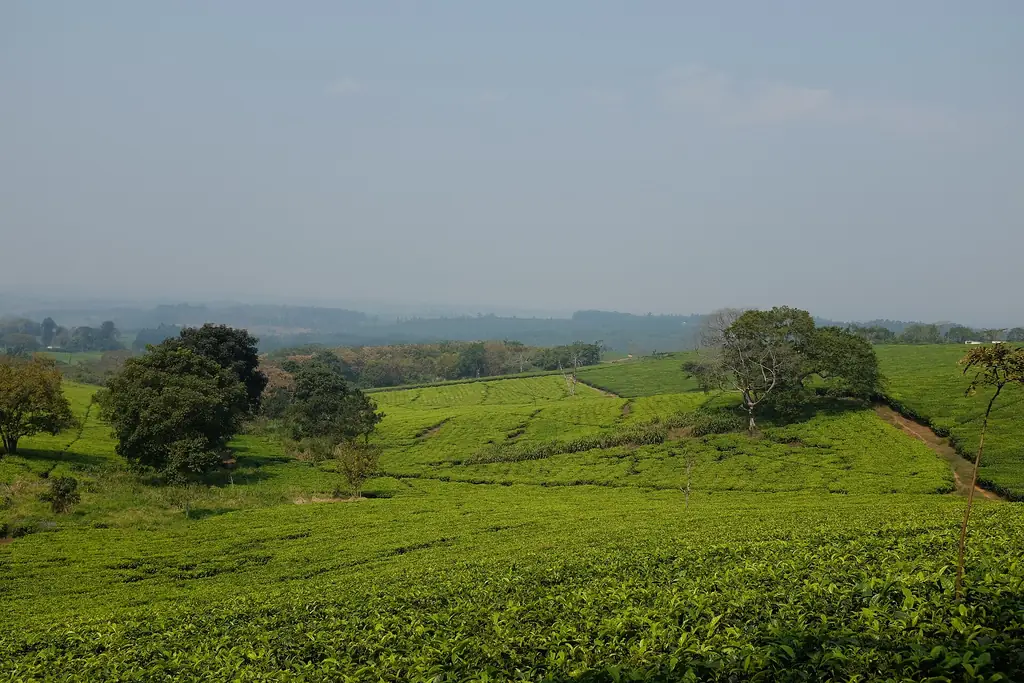
The pilot runs at the Renai Farms warehouse and aggregation site in Bvumbwe, Thyolo District, in Malawi’s Southern Region. It builds on the site’s existing supplier network and buyer relationships, so the tool is tested with real produce, real suppliers and real dispatches rather than in a laboratory setting.
Who it is designed for
Farmers and suppliers
Produce is recorded at intake and linked to the person who supplied it.
Warehouse operators
Practical warnings about storage risks, with records that are quick to keep.
Buyers
Dispatches arrive with batch records that show where the produce came from and how it was stored.
Researchers and policy makers
Structured evidence on how small aggregation businesses manage quality and food safety.
Warehouse staff, farmers, suppliers and buyers take part from the start as co-designers, testers and evaluators. A tool that is technically correct but does not fit daily warehouse practice will not be used after the grant ends.
Inclusion and gender
- The project is women-led, with Dr Ruth Magreta as Principal Investigator.
- At least 30% of participating farmers, suppliers and training attendees are expected to be women.
- An early-career researcher takes part in fieldwork, analysis and reporting, mentored by the PI and Co-PI.
- Training materials are prepared in English and Chichewa, in simple language with practical examples.
- Short forms, simple prompts and visual cues reduce barriers for users with limited digital experience.